

Welcome to La Crosse 4-H
We’re so glad you’re here!
You’ll find all the basics of our county program. Please reach out with questions!
What is 4-H?
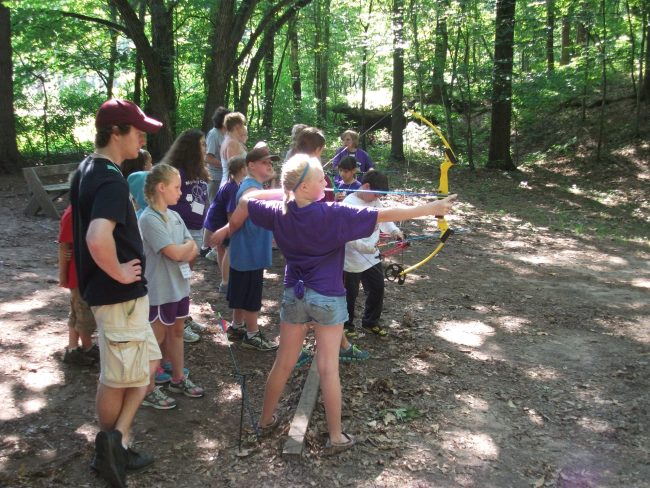
4-H is the nation’s largest youth development and empowerment organization. In Wisconsin, more than 150,000 young people in urban, suburban and rural settings are involved with 4-H programs. In La Crosse County, we average around 550 members and 80 volunteers each year. Youth can learn important life skills like leadership, teamwork, critical thinking and communication to help prepare them for successful futures – and they do it while engaging in fun, hands-on 4-H activities!
Our Mission
The mission of the 4-H Youth Development program is to engage youth, in partnership with adults, in quality learning opportunities that enable them to shape and reach their full potential as active citizens in a global community.
What Makes 4-H Different?
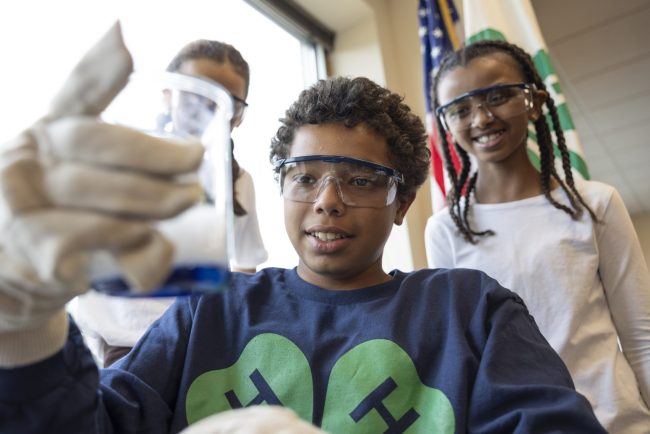
4-H is unique because it is the only youth organization tied to the research base of our nation’s land-grant university system. This connection allows the University of Wisconsin-Madison, Division of Extension staff, and the volunteers they work with, to receive training based on the most up-to-date research on youth development theory and practice. We use a learn-by-doing or experiential learning approach to our education and we include the whole family in what we do. This gives youth connections to the wider community, and stronger foundation of self-esteem and advocacy.
How 4-H Benefits Youth
Youth will gain new life skills while they learn, complete projects that are appealing and meaningful to them, make friends and create a sense of belonging to something bigger than themselves, while giving and receiving acceptance and compassion. Youth who age out of our program tell us they feel more prepared in areas of public speaking, advocacy, and civic engagement than their peers.
Who Can Join?
4-H is open to all youth in 5K through one year after high school regardless of race, color, sex, creed, disability, religion, national origin, ancestry, age, sexual orientation, pregnancy, marital or parental status.
How to Join?
By enrolling in 4-H Online or by reaching out to our office! We will ask a few questions to see what interests your family has and where you live, then we’ll connect you to a club that meets in your area.
What’s the cost?
It’s up to your community club what they charge for annual dues. Typically dues will not exceed $20/member. If cost is a factor for joining a club, please notify the office. There are many opportunities.
What is a 4-H Club?
A 4-H Club at least 5 youth from 3 different families who meet on a regular basis, with adult volunteers and parents, and together practice positive youth development and cooperative learning. This can be in a few different formats. Most traditionally it’s a community club, where families will get together and meet monthly. Sometimes it’s as a project group, where youth and volunteers meet at different points of the year to work on a specific interest. Other times, it’s a classroom club, where volunteers and staff will do educational activities with a class during the school day.
Regardless of the format, 4-H Clubs strive to create, within their group, a quality learning environment that gives members a chance to be an active part of the decision making process; values and respects the voices of all; provides members an opportunity to reflect on and demonstrate their learning; connects members to their community through service; encourages the development of positive relationships with peers and adults; is welcoming and accessible to all; celebrates individual and group achievements; challenges youth to establish and meet individual goals; and provides for the physical and emotional safety of all.
What is a Club Meeting Like?
Meetings are not held to a strict format, but usually include elements of Fun, Business, and Education (we refer to it as Laughing, Leading and Learning). One of the principal things we do to start a meeting is recite the 4-H Pledge, then youth will conduct a short amount of business that continues to keep the club functional.
To do this, groups tend to operate on a very informal version of parliamentary procedure. This can be slightly intimidating to kids just joining 4-H. Clubs have a lot of activities to help members understand just what to do, and why it’s important to have a structure in their meetings. Here’s a sneak peak, from North Dakota State Extension, into one of our favorite activities how to teach this method:
The Educational Part of the Meeting
Most of the time, the fun parts overlap the educational parts of meetings; kids don’t realize they are learning while they are participating. Every meeting includes activities designed to help kids challenge themselves, make mistakes, reflect on them, try again, and continue forward. This Experiential Learning model helps develop a thirst for learning and knowledge in youth that is then supported by the Thriving Model in our program, which reinforces this process, and keeps youth centered with a curiosity mindset, helping them become engaged citizens and community members as adults.
What are 4-H Projects?
A project is another word for interest, in 4-H. It may be a topic like geology, photography, poultry, food and nutrition, horses, or bicycling. It can be incredibly specific, like LEGO Robotics. Our county offers a lot of projects for kids to choose when they enroll. We have some groups that meet to dive into certain projects, but a lot of others that don’t. We encourage parents to work through curricula or literature or workbooks, with their members, so that you can learn along with your child! Our office will also connect you with community members or other groups who can assist with consultations, club meeting presentations, and tours of places that are connected to your youth’s interest. For more information, please visit our 4-H Project Guide.
What are Our Expectations?
4-H is definitely what you make of it. You can heavily participate in all of our opportunities, and you will get the most back. However, we know that does not work for everyone. It’s important for your family to find the best balance of participation. Here are what we think is important for you to do to maintain a base level of involvement and to continue to progress in the program.
- Enroll in 4-H Online – for help, here is an Enrollment Guide
- Attend Club Meetings regularly, youth and a parent
- Participate in a County-Wide Event, check out our Calendar!
- Help at the Food Stand during the Fair
- Stay current with the Newsletters
Also, help guide your child with their projects, but do not do it for them.
- Set goals with your child centered around their projects.
- Show interest and enthusiasm in their projects.
- Learn about the projects along side your youth.
- Reach out to club/group leaders or the 4-H office if you have questions.
- While not a requirement, help your youth complete or review a record book at the end of the year, to help solidify all they learned!
GET STARTED!
Find a club by reaching out to the office.
Pick out Projects
Enroll in 4-HOnline
Order Literature (see project guide, too)
Attend a Meeting!